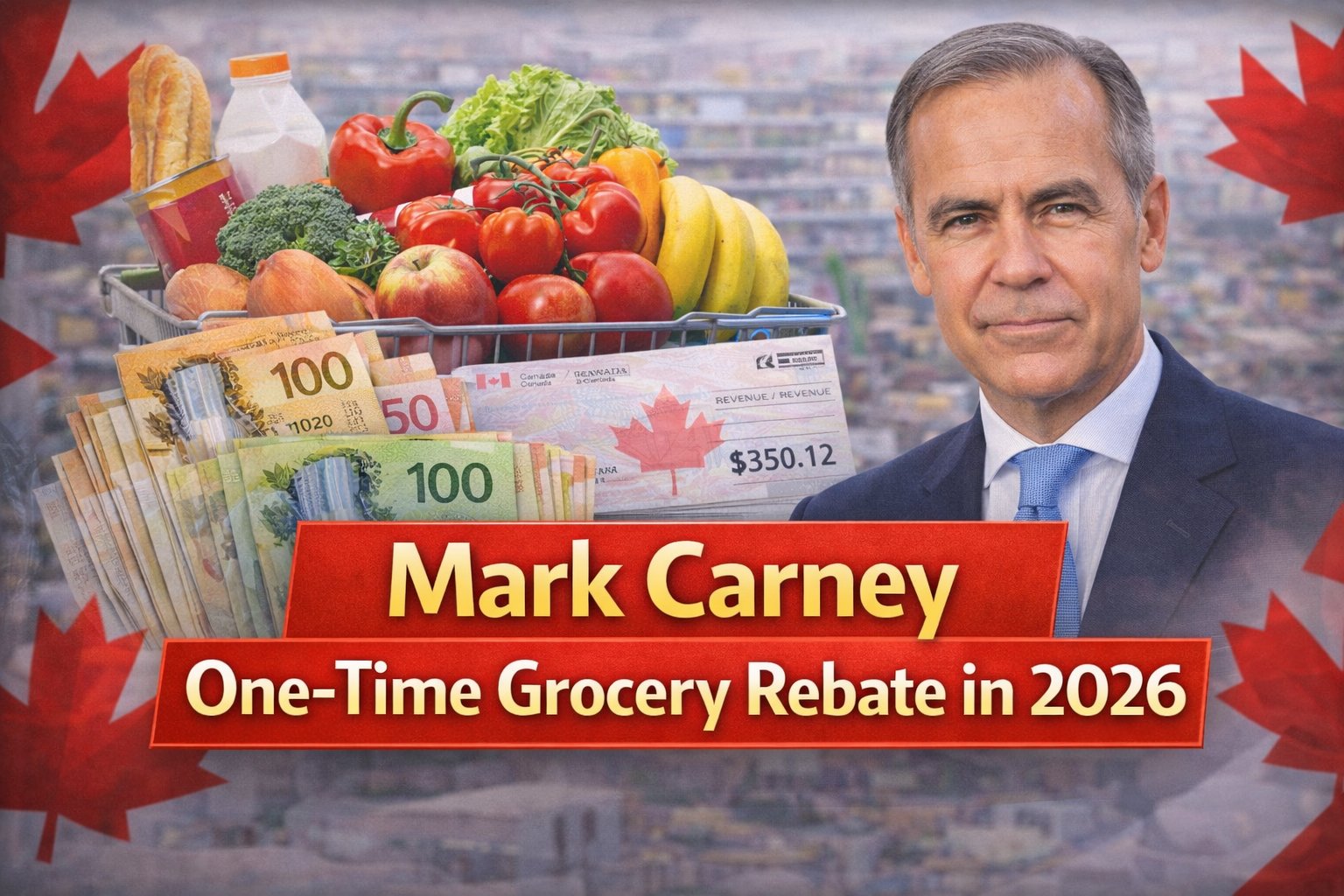
A proposed one-time grocery rebate backed by Mark Carney has been framed as a fast response to persistent food inflation in Canada. Supporters say a lump-sum payment would provide immediate relief to households struggling with rising grocery bills. Critics argue that while payment may be coming, a one-time measure cannot fix deeper affordability challenges.
As debate continues, the key issue is not whether temporary relief helps — but whether it meaningfully improves long-term food security for low-income Canadians.
Why a Grocery Rebate Is Being Proposed
Food prices have risen sharply over the past several years. For many households, especially those on fixed or low incomes, grocery costs are not optional or flexible.
Rising prices for:
- Fresh produce
- Dairy
- Meat
- Pantry staples
have strained budgets already stretched by rent, utilities and transportation.
A one-time grocery rebate is positioned as a direct cash payment — delivered quickly using existing federal tax systems — to help offset these increases.
How the One-Time Payment Would Work
Although final details would depend on federal implementation, similar past rebates have followed this structure:
- Automatic eligibility based on tax return data
- No application required
- Direct deposit or mailed cheque
- Lump-sum payment
The flexibility of cash allows recipients to decide how to use the funds — whether for groceries, overdue bills or other essentials.
From an administrative standpoint, this model is simple and fast.
Why Low-Income Earners May See Limited Impact
1. Funds Often Cover Existing Arrears
Low-income households frequently carry overdue rent, utility balances or debt. A rebate may be absorbed immediately by these obligations, leaving limited impact on ongoing food access.
This does not make the payment irrelevant — but it reduces sustained benefit.
2. Food Inflation Is Ongoing
A one-time payment addresses a single moment in time. Grocery prices, however, continue to fluctuate and often trend upward.
Once the rebate is spent, households face the same structural affordability pressures.
3. Income Threshold Gaps
Rebates typically rely on prior-year tax data. This can miss individuals with:
- Irregular gig income
- Recent job loss
- Temporary income spikes that distort eligibility
Those experiencing sudden hardship may not qualify despite immediate need.
The Structural Limitation of One-Time Relief
One-time payments are politically attractive because they are:
- Highly visible
- Quick to deliver
- Easy to communicate
However, they do not address:
- Wage stagnation
- Housing costs
- Social assistance adequacy
- Disability support gaps
Food insecurity is deeply linked to income stability. A rebate treats the symptom rather than the underlying cause.
Why Middle-Income Households May Feel the Benefit More
Middle-income households often have:
- Lower immediate debt pressure
- More budgeting flexibility
- Greater savings buffers
When they receive a rebate, it may directly supplement grocery spending or savings.
By contrast, low-income households often use the funds to stabilize urgent financial shortfalls.
This creates a perception gap between political messaging and lived experience.
Psychological Relief vs. Financial Stability
Receiving a lump-sum payment can reduce short-term stress. Knowing payment is coming may provide temporary reassurance.
But without recurring support, anxiety often returns once funds are depleted.
For families living month-to-month, stability matters more than visibility.
Alternatives Advocates Say Would Be More Effective
Policy experts and community organizations often suggest broader reforms, including:
Strengthening Ongoing Income Supports
Increasing recurring benefits provides predictability and planning capacity.
Examples include:
- Enhanced senior supplements
- Disability income supports
- Expanded child benefits
Indexing Support to Food Inflation
Linking income supports directly to food price changes could ensure protection keeps pace with essential costs.
Investing in Food System Solutions
Longer-term approaches may include:
- Supporting community food programs
- Strengthening local food supply chains
- Expanding nutrition subsidy initiatives
While slower to implement, these measures target systemic drivers.
Political Optics vs. Practical Outcomes
A one-time rebate communicates responsiveness. It creates a clear narrative: relief is on the way.
However, critics argue that such measures can reduce momentum for deeper reforms.
Temporary support may ease pressure temporarily without altering structural vulnerability.
What Happens After the Payment Is Spent?
Once the rebate is used:
- Grocery prices remain elevated
- Rent and utilities remain fixed
- Income instability persists
Without recurring policy adjustments, households return to the same financial constraints.
This raises a broader question about whether food affordability should rely on occasional rebates or durable income reform.
Broader Policy Debate Ahead
As discussion around the grocery rebate continues, broader themes are likely to shape debate:
- Income adequacy
- Inflation responsiveness
- Social assistance modernization
- Long-term fiscal sustainability
The central tension remains between short-term action and long-term change.
FAQ
Is the grocery rebate confirmed?
Details depend on federal implementation decisions. Official announcements would clarify eligibility and timing.
Who would qualify?
Typically, eligibility would be based on income data from recent tax returns.
Is this a recurring payment?
No. It is proposed as a one-time rebate.
Would it affect other benefits?
That would depend on program rules, but most rebates are separate from ongoing benefits.
Why do critics oppose it?
Critics argue that one-time payments do not solve structural affordability issues.
How would it be paid?
Likely through direct deposit or cheque via the federal tax system.
Is this meant to replace other programs?
No. It is positioned as supplemental relief, not a replacement for existing supports.